
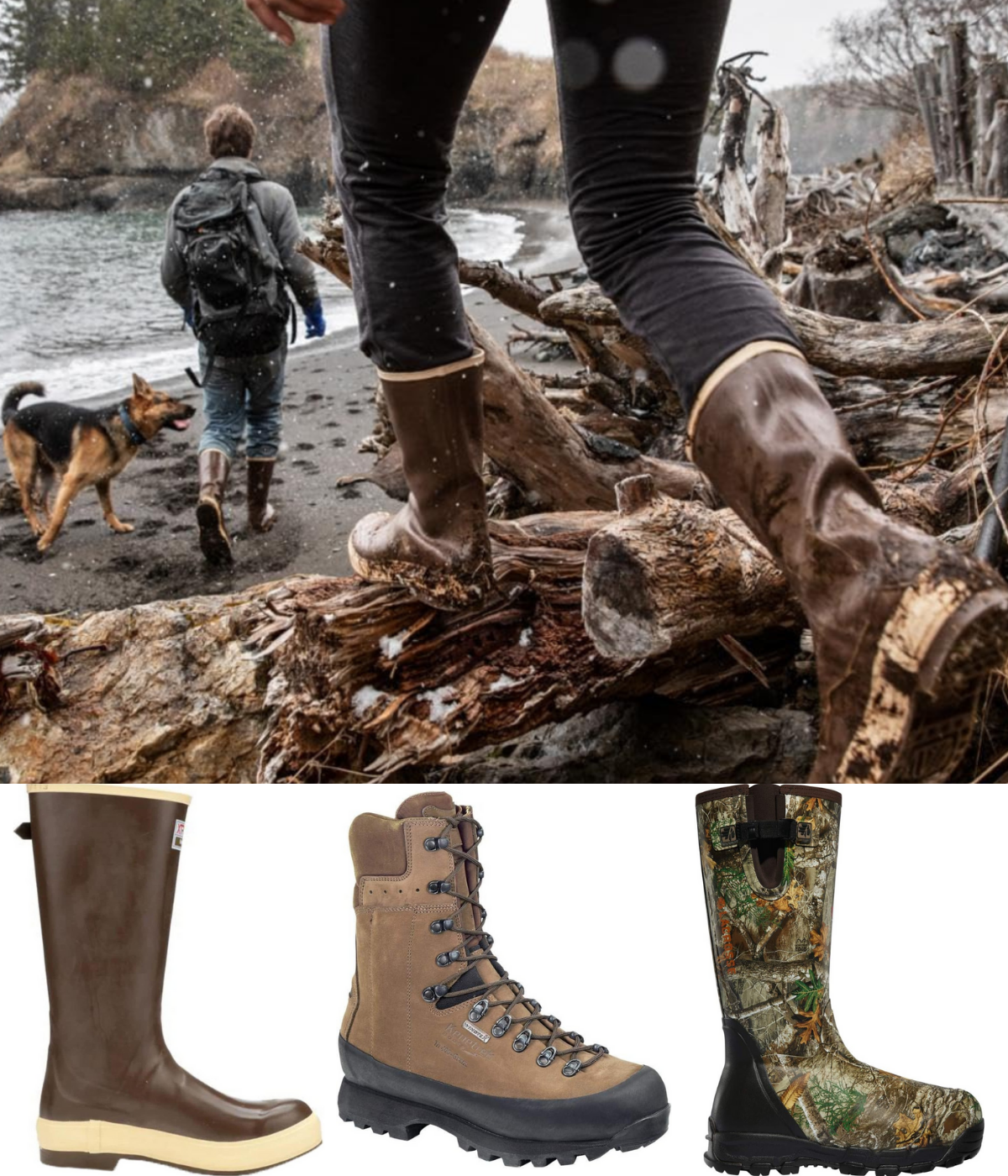
What hunting boots do for hunters
Hunting boots have two main jobs: keep your feet warm and dry, and provide enough support and traction for the ground you hunt. Unlike casual footwear, they are built for long hours on uneven terrain, often in cold, wet, or snowy conditions, so construction focuses on insulation, waterproofing, and stability.
Boot Materials and Construction
When choosing hunting boots, the materials and construction are just as necessary as the fit or insulation. Hunters in the USA know that a quality boot must stand up to sharp rocks, dense brush, and unpredictable weather, all while keeping feet protected and comfortable. That’s why leading brands like LaCrosse Footwear rely on high-quality, imported components to build boots that last through seasons of hard use.
The right materials make all the difference. Many top hunting boots feature tough leather, abrasion-resistant nylon, and advanced waterproof membranes like GORE-TEX to keep moisture out. For those long, cold sits, some models offer up to 1400G of insulation, while breathable linings help manage sweat and prevent blisters. Outsoles with Vibram Arctic Grip or similar technology provide slip-resistant traction so that you can move confidently across muddy fields, icy trails, or rocky slopes.
Shopping for hunting boots online is easier than ever. On a brand’s page, hunters can use filters to narrow down results by size, insulation, or waterproofing, then view detailed product descriptions and customer reviews. Once you find the right pair, add them to your cart and check out, or save them for later. Signing up for email updates ensures you never miss new releases or special offers.
For the best results, block out time to visit your local outdoor store and try on different boots. Pay attention to comfort, support, and how the boot feels when you walk—these details matter on long hunts. By investing in boots made with premium materials and innovative construction, hunters can focus on the adventure ahead, knowing their feet are ready for whatever the season brings.
Fit and comfort
Proper fit is as important as any feature: boots must be snug in the heel, roomy in the toes, and tested with your actual hunting socks. Good support (stiff midsoles, solid ankle structure, quality insoles) reduces fatigue and helps prevent blisters and injuries when you are side‑hilling, climbing, or packing out heavy loads.
Main boot types for rocks
Leather/nylon boots: Durable, supportive, and usually lighter than rubber, ideal for hiking hills, mountains, and mixed terrain where you cover miles.
Rubber and neoprene boots: Fully waterproof and great for mud, marsh, and standing water, but less breathable and typically heavier for long hikes.
Pac boots: A waterproof shell with a removable insulated liner, designed for extreme cold and long, stationary sits in stands or blinds.
Warmth and insulation
Insulation is measured in grams and should match both the temperature and how much you move. Light or uninsulated boots suit early‑season or active hunts, mid‑weight insulation (400–800 g) fits cool to cold conditions, and heavy insulation (1000 g and up) is reserved for frigid, low‑movement sits.
Warmth, Water, Sweat, Comfort
For maximum warmth and water while stationary (tree stands, blinds, flooded timber): LaCrosse Alphaburly Pro 1000G.
For backcountry support and breathable waterproofing (mountain and Western hunts): Zamberlan Guide Max GTX RR and Kenetrek EverStep Orthopedic NI, with EverStep adding proper orthopedic stability.
For boat‑based, all‑day wet work with arch support: Xtratuf Legacy.
For versatile, lighter-weight scouting and mixed‑terrain hunts: Danner Recurve (choose insulation level based on your season).
Kenetrek EverStep Orthopedic NI
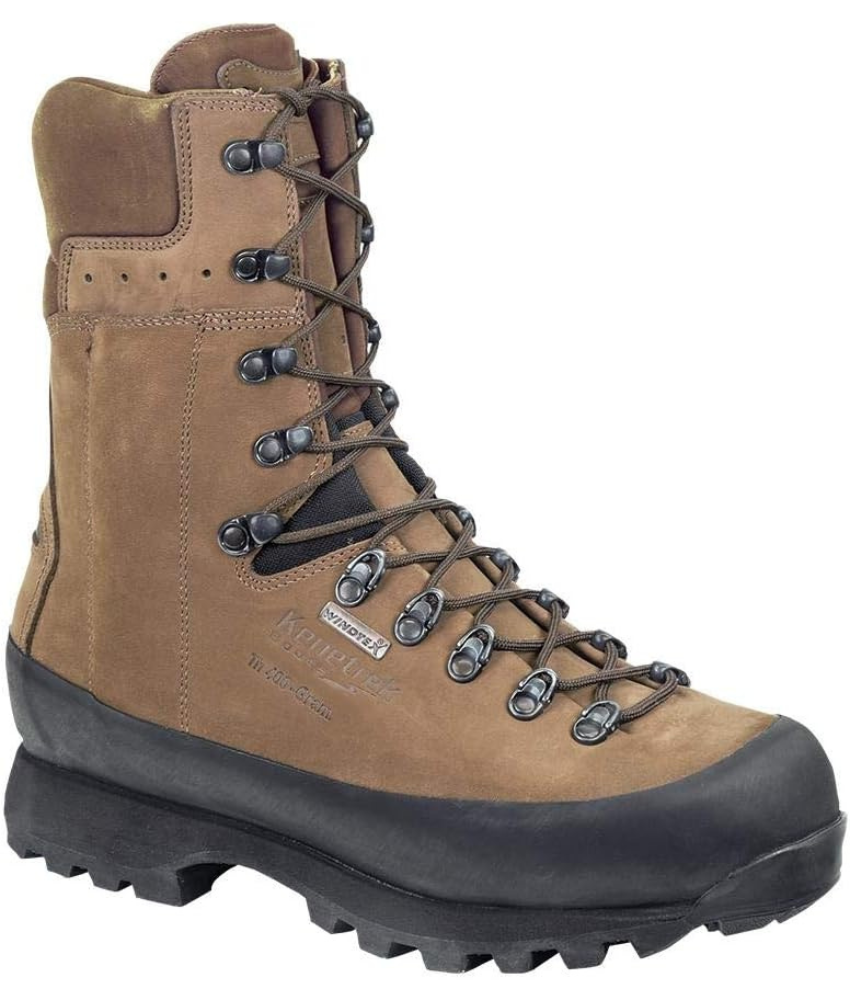
- Warmth: Non‑insulated EverStep models are comfort‑rated from roughly 30–90 °F, making them better for early-season, mild temps or high‑output mountain hunts where heavy insulation would cause overheating.
- Water resistance & sweat: EverStep is built on a waterproof, breathable platform, so it blocks external moisture while allowing perspiration vapor to escape, but it does not have a rubber shell like a gumboot, so it is better for wet brush and light creek crossings than for standing in water all day.
- Comfort: This boot is built around an orthopedic concept: an extra brace system, a 19‑degree toe rocker, stout collars, and full‑length nylon midsoles, so the boot—not your joints—absorbs most of the movement, ideal for hunters with past foot or ankle issues who still cover steep, uneven ground.
LaCrosse Alphaburly Pro Side‑Zip 18" 1000G
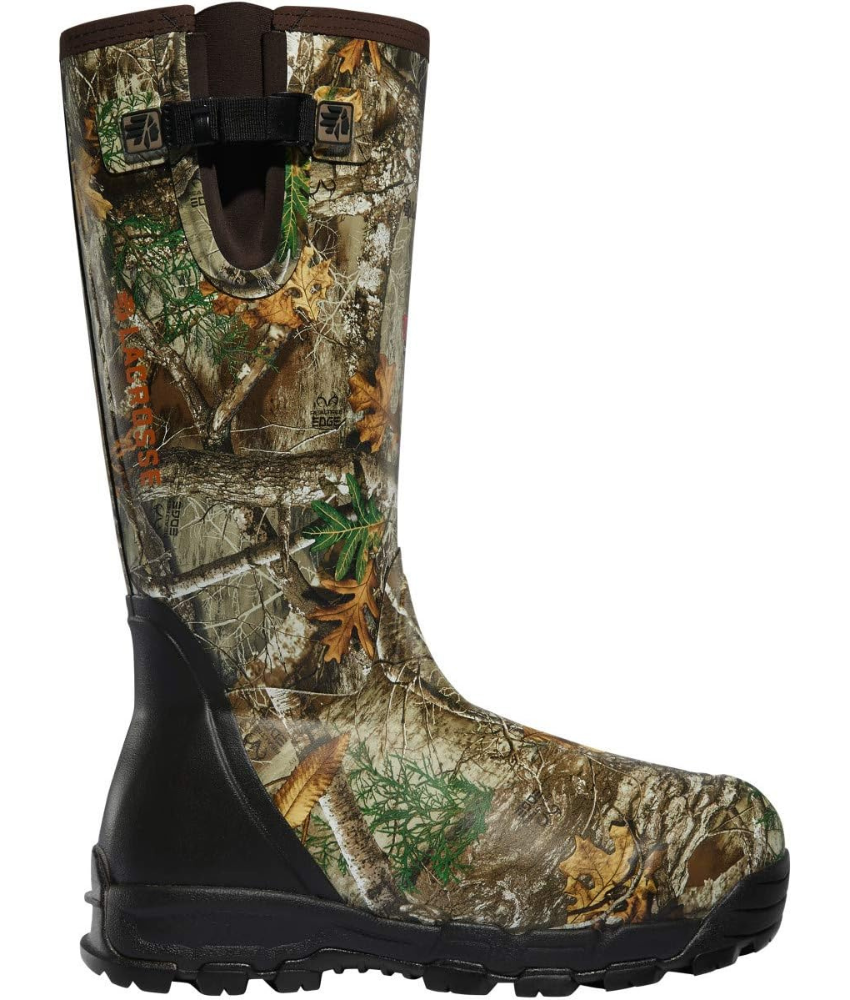
- Warmth: With 1000 g Thinsulate Ultra wrapped in hand‑laid rubber over 3.5 mm neoprene, this boot is purpose‑built for cold, stand‑style hunts in snow and late‑season temps (manufacturer's “comfort zone” around 60–30 °F, often used well below that with good socks).
- Water resistance & sweat: Premium rubber over neoprene, plus a rubber‑coated neoprene gusset and a waterproof side zipper, create a fully waterproof shell that shrugs off deep mud, flooded timber, and standing water; inside, a quick‑dry, moisture‑wicking jersey/embossed liner moves sweat away from the skin to keep feet from feeling clammy.
- Comfort: Despite the bulk, the Alphaburly Pro uses flexible, scent‑free rubber, an EVA footbed, and an “active fit” adjustable gusset so calves of different sizes can cinch the shaft without pressure points. The, plus a rubber‑coated neoprene gusset and a waterproof side zipper, Burly Pro outsole is tuned for traction in mud and snow.
Zamberlan Guide Max GTX RR USA
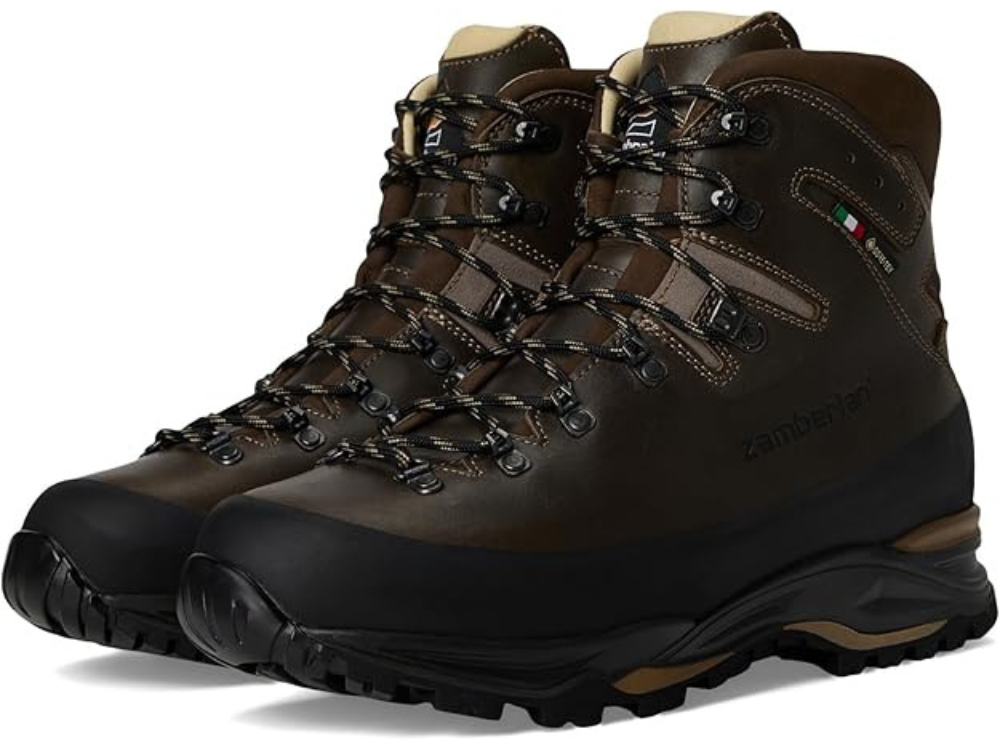
- Warmth: Guide Max GTX RR is intentionally non‑insulated, built for all‑season backcountry use, where you regulate warmth with sock choices rather than fixed insulation—excellent for long climbs, heavy packouts, and mixed conditions.
- Water resistance & sweat: It pairs 2.8 mm Hydrobloc full‑grain leather with a Gore‑Tex Performance Comfort membrane, giving maximum waterproof protection plus high breathability for sweat management during high‑output mountain hunts.
- Comfort: Perforated calf leather laminated to Gore‑Tex creates a leather‑lined feel inside, while the Zamberlan Vibram StarTrek II sole with TPU frame and stabilizer delivers serious support and downhill braking, making it a strong choice for rugged, off‑trail terrain and heavy loads.
Xtratuf Fishing Watertight Latex Neoprene Legacy Boots
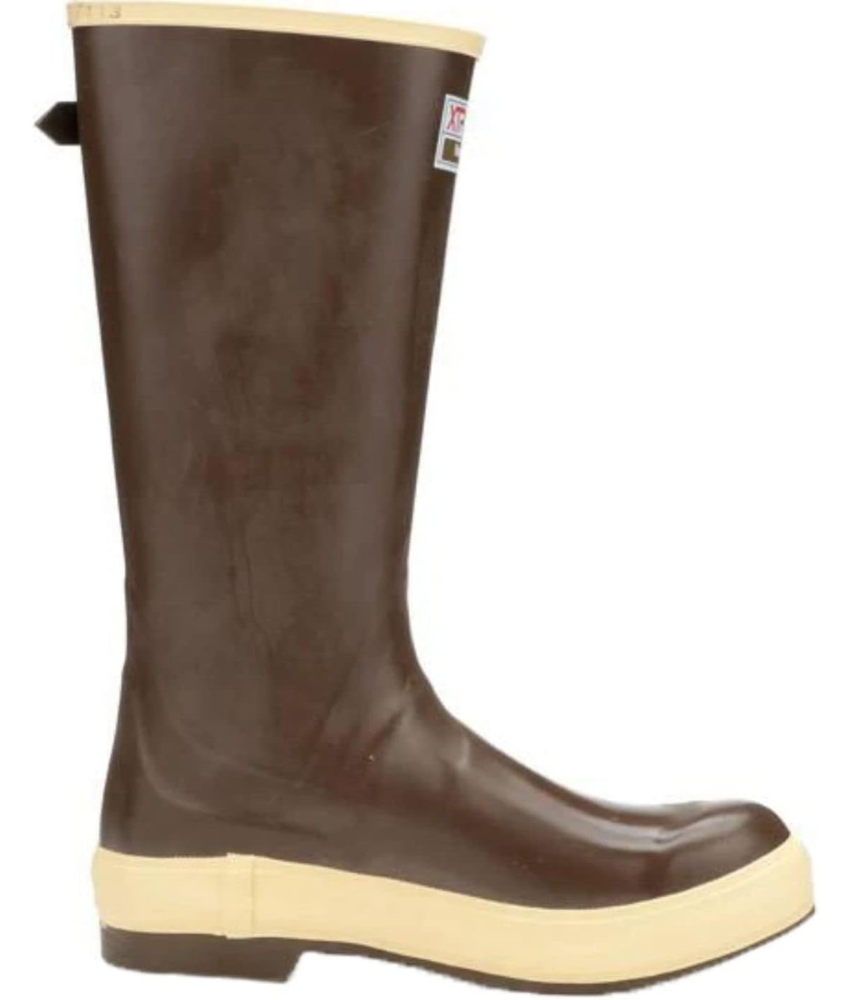
- Warmth: The standard Legacy version has no heavy built‑in hunting insulation but uses latex neoprene, which naturally insulates and stays flexible in cold, wet weather; insulated Legacy models add polymeric foam for harsher cold, but the core shell already blocks wind and water efficiently.
- Water resistance & sweat: Triple‑dipped, hand‑layered latex neoprene creates a seamless 100% waterproof barrier that is also highly resistant to chemicals and contaminants, with an open‑cell foam footbed that helps reduce internal moisture and lets some air circulate to reduce, where you regulate warmth with sock choices rather than fixed insulation—excellent for long climbs, heavy packouts, and sweat buildup.
- Comfort: These are known for sneaker‑like agility rather than stiff mountain‑boot support, using a pliable neoprene/rubber shell, cushioned insoles with arch support to fight fatigue, and a slip‑resistant Chevron outsole that grips on slick decks, mud, and shoreline rocks—ideal for boat‑based waterfowl hunts or fishing‑centric trips.
Danner Recurve 7" Danner Dry
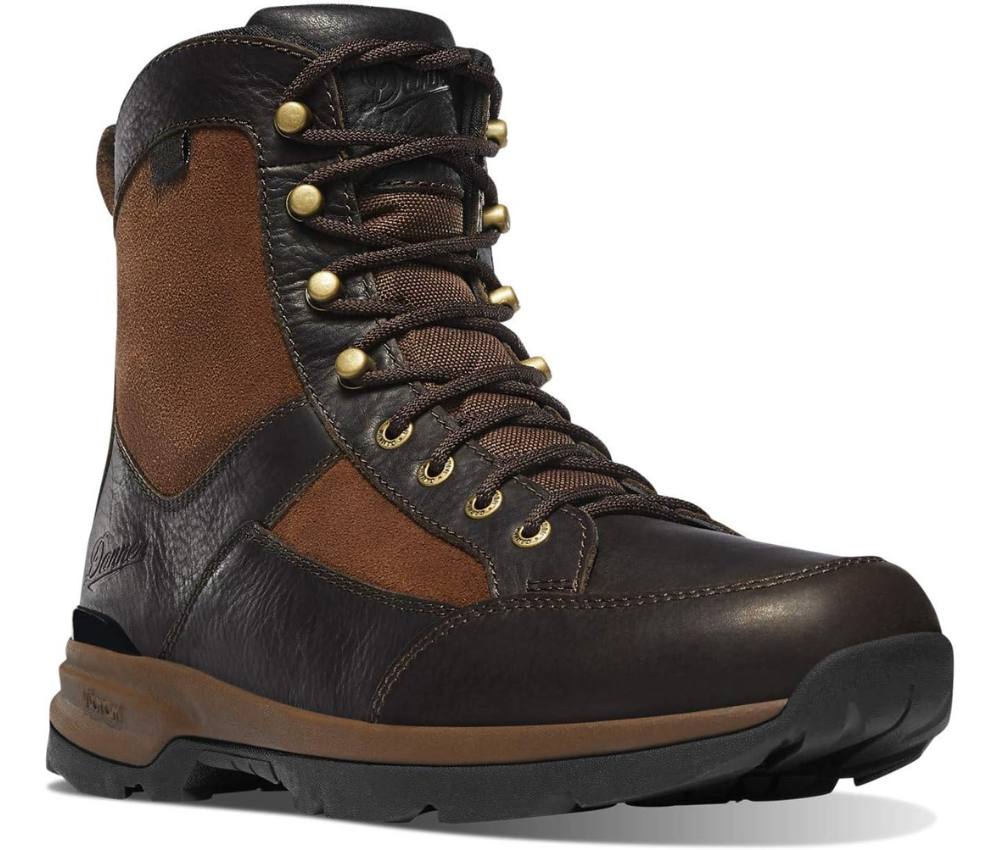
- Warmth: The Recurve line is offered in non‑insulated and 400 g Thinsulate Ultra versions; the non‑insulated model targets early‑season and high‑activity hunts, while the 400 g variant reduces warmth for cooler weather without the bulk of 800–1000 g cold‑stand boots.
- Water resistance & sweat: Danner Dry is a dedicated waterproof lining that wraps the foot in a bootie‑style barrier, keeping water out while letting moisture vapor escape, similar in concept to Gore‑Tex and other waterproof membranes. Thinsulate Ultra versions; the non‑insulated model targets early‑season and high‑activity hunts, while the 400 g variant adds in modern hunting boots.
- Comfort: Built on a hybrid hunting‑hiker platform with full‑grain leather and 1000D nylon uppers, Vibram SPE midsole, OrthoLite footbed, and a Vibram Recurve outsole, this boot balances cushioning and support for long days still‑hunting or scouting without feeling as heavy or rigid as an actualstandard mountaineering boot.
FAQs
Which of these boots is best for late‑season cold hunts?
The LaCrosse Alphaburly Pro Side‑Zip 18" with 1000 g Thinsulate is the clear cold‑weather specialist, combining heavy insulation with a tall, fully waterproof rubber‑over‑neoprene shell that keeps feet warm when you are sitting in a stand or blind.
If my feet sweat a lot, which models best manage moisture to strike a balance?
The Zamberlan Guide Max GTX RR and Kenetrek EverStep Orthopedic NI rely on breathable, waterproof membranes (Gore‑Tex and Kenetrek’s waterproof/breathable system) that let moisture vapor escape, making them better suited to high‑output hunts where sweat is the enemy of warmth. Danner’s Recurve with Danner Dry also aims to strike a balance between waterproof protection and breathability.
Are rubber or neoprene boots a bad idea if I walk a lot?
Tall rubber/neoprene boots like the Alphaburly Pro and Xtratuf Legacy shine for standing water, mud, and short walks, but their lack of breathability can make feet sweat and overheat on long, steep hikes; leather/membrane boots such as the Kenetrek, Zamberlan, or Danner are better when you cover serious ground.
Which boots are most comfortable for bad ankles or past foot injuries?
The Kenetrek EverStep Orthopedic line is literally prescribed for injury rehab and chronic foot/ankle issues, using added bracing, high torsional rigidity, and a rocker sole to reduce joint motion and pain, making it the top comfort pick for hunters with problem feet.
How much insulation do I really need?
Common guidance is 200–400 g for mild to cool, active hunts; 400–800 g for cold weather or more time sitting; and 800+ g for frigid, low‑movement late‑season conditions, which aligns with how hunters use options like the 400 g Danner Recurve and the 1000 g Alphaburly Pro.
Can one boot really cover all my hunting and fishing?
Each of these boots is optimized for a different lane—backcountry mountain, cold stands, flooded timber, or boat decks—so a two‑boot system (one insulated rubber boot plus one supportive leather/membrane boot) usually works better than forcing a single pair into every role.
Are these boots American made, and with Anerican components?
No, some hunting boots use imported components to reduce production costs.
Final thoughts
For hunters who spend serious time in the whitetail woods, on Western ridges, and around water, there is no single “best” boot in this lineup—there is a best boot for each job. The Alphaburly Pro anchors the cold, wet end of the spectrum with maximum warmth and waterproofing, while the Zamberlan Guide Max GTX RR and Kenetrek EverStep Orthopedic NI prioritize breathable support and all‑day comfort under a pack.
Xtratuf’s Legacy boots own the fishing and boat‑based side of your lifestyle, delivering watertight neoprene and serious deck traction, and Danner’s Recurve bridges into that everyday, scout‑and‑still‑hunt category with a lighter, more flexible feel that still stays dry. For a reader who hunts Kentucky whitetails, hikes harder out‑of‑state, and fishes or runs a boat, a savvy recommendation is to pair an insulated rubber boot like the Alphaburly Pro for the coldest, wettest sits with a supportive leather/membrane boot such as the Recurve or Guide Max for everything else, ensuring warm, dry, and comfortable feet across the whole season. Order today!