

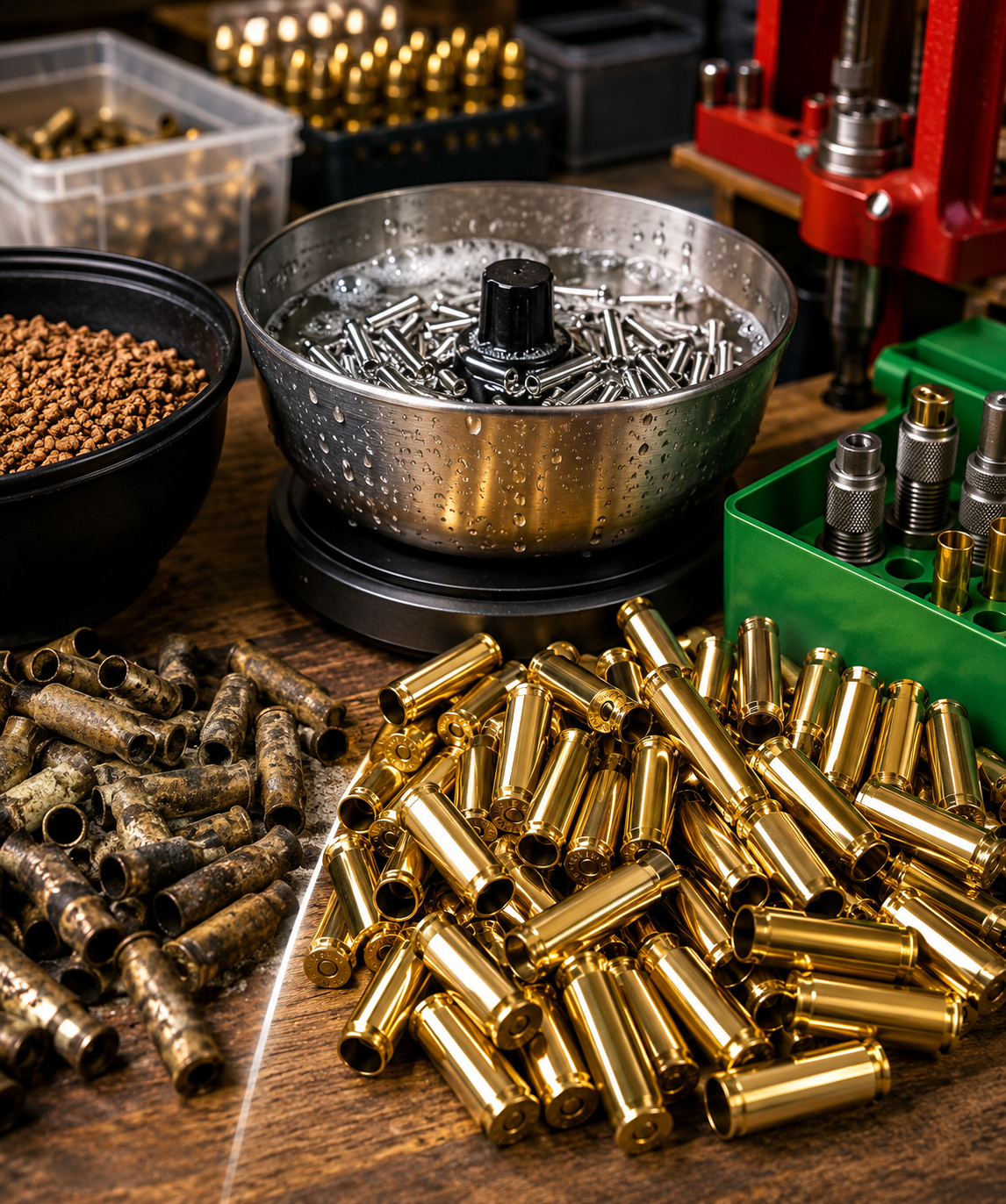
Reloading ammunition starts long before powder and primers ever touch a case. Clean brass is the foundation of safe, reliable, and accurate handloads. Dirty cases can damage dies, create inconsistent chambering, shorten brass life, and even affect accuracy. Whether you are loading pistol rounds for the range or precision rifle ammunition for long-range shooting, learning how to clean brass for reloading properly can dramatically improve your results.
In this complete guide, we cover everything reloaders need to know about brass cleaning, including dry tumblers, wet tumblers, ultrasonic cleaners, media choices, polishing compounds, drying methods, and common mistakes to avoid. Note that cleaning methods may differ for antique brass or decorative items to preserve their finish, and shop-bought brass cleaners are available for those seeking a commercial solution. By the end, you will know exactly how to get mirror-shiny brass that feeds smoothly and performs consistently.
Why Cleaning Brass Matters
Many new reloaders wonder if brass really needs to be cleaned before resizing and loading. The answer is absolutely yes.
Dirty brass can contain:
- Carbon buildup
- Burnt powder residue
- Dirt and sand
- Primer residue
- Corrosion
- Range debris
These contaminants can scratch expensive reloading dies and lead to inconsistent case sizing. Clean brass also allows easier inspection for cracks, split necks, loose primer pockets, and pressure signs.
Benefits of properly cleaned brass include:
- Longer die life
- Improved reliability
- Better chambering
- More consistent reloads
- Easier inspection
- Reduced wear on firearms
- Professional-looking ammunition
The Main Types of Brass Cleaning Methods
There are three primary methods reloaders use to clean brass:
- Dry tumbling
- Wet tumbling
- Ultrasonic cleaning
Each method has advantages depending on your budget, volume, and desired finish.
Dry Tumbling Brass
Dry tumbling is the most traditional and beginner-friendly way to clean brass. A vibratory tumbler is a common and effective tool for cleaning brass, utilizing dry media such as crushed walnut shells or corn cobs to remove dirt and debris.
How Dry Tumblers Work
Dry tumblers vibrate brass cases inside abrasive media that removes carbon and grime through friction, typically using bowls made of plastic for durability and ease of use. Cases slowly polish over several hours until clean.
Advantages of Dry Tumbling
- Affordable startup cost
- Easy to operate
- Minimal drying time
- Excellent for high-volume pistol brass
- Low maintenance
Disadvantages of Dry Tumbling
- Dust can become messy
- Primer pockets usually remain dirty
- Inside of cases are less polished
- Cleaning can take several hours
Best Dry Tumblers for Reloading
Popular dry tumblers include:
- Vibratory tumblers
- Rotary dry tumblers
- Large-capacity commercial tumblers
Harbor Freight also offers a small, affordable tumbler originally designed for hobby rock tumbling, which is well-suited for cleaning small batches of brass.
Vibratory tumblers are the most common because they clean efficiently while remaining affordable for most reloaders.
Wet Tumbling Brass
Wet tumbling has exploded in popularity among precision reloaders and competitive shooters.
How Wet Tumbling Works
Wet tumbling combines:
- Water
- Stainless steel pins
- Cleaning solution (Not Dawn Dish soap)
- Rotary tumbler action
The steel pins scrub both the outside and inside of brass cases, including primer pockets. Wet tumbling is highly effective at removing stubborn carbon fouling and oxidation from brass, resulting in cleaner and shinier cases. Using the best stainless steel pin tumbling system offers additional advantages, such as durability, quiet operation, and lower long-term maintenance costs, making it an optimal choice for cleaning brass during reloading.
Advantages of Wet Tumbling
- Extremely clean brass
- Primer pockets cleaned thoroughly
- Interior case walls cleaned
- Mirror-like finish
- Less airborne dust
Disadvantages of Wet Tumbling
- Higher equipment cost
- Brass must dry completely—wet-cleaned brass must be thoroughly dry before loading to prevent corrosion; using a food dehydrator or other drying method ensures dry brass for safe reloading
- More setup time
- Stainless pins require separation
Why Precision Reloaders Prefer Wet Tumbling
Precision shooters often favor wet tumbling because ultra-clean primer pockets and case interiors help improve loading consistency. Clean cases also make defects easier to spot before loading high-pressure rifle rounds.
Best Media for Cleaning Brass
The type of media you use dramatically affects cleaning speed and final appearance. The surface area of the cleaning media also plays a crucial role in its effectiveness and longevity—media with larger or more textured surfaces, such as crushed walnut shells, provide better cleaning performance and last longer than options with minimal surface area.
Corn Cob Media
Corn cob media is one of the most popular options for dry tumbling.
Benefits of Corn Cob Media
- Produces a bright shine
- Less aggressive abrasion
- Excellent polishing capability
- Lower dust than walnut
Corn cob is ideal for lightly dirty brass that mainly needs polishing.
Walnut Media
Walnut media is more aggressive than corn cob.
Benefits of Walnut Media
- Removes heavy fouling faster
- Cleans badly tarnished brass
- Excellent for range pickup brass
Many reloaders clean first with walnut media and finish with corn cob for maximum shine.
Stainless Steel Pins
Used in wet tumbling systems with products like Lemi Shine, stainless pins provide the deepest possible cleaning. After cleaning, a magnet can be used to easily separate the stainless steel pins from the cleaned brass.
Benefits of Stainless Pins
- Cleans primer pockets
- Cleans inside necks
- Cleans flash holes
- Produces factory-new appearance
This method is considered the gold standard for spotless brass.
Brass Polish and Cleaning Additives
Adding polish or a cleaning solution can dramatically improve results. Non-abrasive polishes are especially recommended, as they are gentle and help protect cleaned metal surfaces without causing scratches or damage.
Dry Tumbling Polish
Liquid polishing compounds help remove oxidation while boosting shine.
Popular ingredients include:
- Car polish
- Brass polish
- Wax-based compounds
Avoid excessive polish because it can clump media and leave residue.
Wet Tumbling Solutions
Most reloaders use combinations of:
- Lemshine
- Dish soap
- Citric acid
- Specialized brass cleaning concentrates
Baking soda and lemon juice can also be combined to create an effective natural cleaning paste for brass. After using lemon juice or baking soda, it is important to rinse the brass thoroughly to remove any residue and avoid patchy results.
Citric acid helps remove tarnish while leaving brass bright and protected.
How Long Should You Tumble Brass?
Cleaning time depends on:
- Amount of fouling
- Type of media
- Brass condition
- Desired shine level
General guidelines:
Method | Typical Time |
|---|---|
Dry tumbling | 2–8 hours |
Wet tumbling | 1–4 hours |
Ultrasonic | 15–45 minutes |
Extremely dirty range brass may require a bit longer cleaning cycles to achieve the desired shine.
How to Dry Wet Brass Properly
Brass must be completely dry before reloading.
Popular drying methods include:
- Air drying overnight
- Food dehydrators
- Brass dryers
- Low-temperature oven drying
- Towel drying followed by fan drying
- Using a food dehydrator for thorough and even drying
Never load damp brass because moisture can contaminate powder and primers.
Step-by-Step: How to Clean Brass for Reloading
Step 1: Sort Brass
Separate by:
- Caliber
- Manufacturer
- Nickel vs brass cases
- Boxer vs Berdan primed
Inspect for damaged cases before cleaning.
Note: Brass hardware and jewelry may require specialized cleaning methods to preserve their finish, as these items can be more delicate or have unique surface treatments compared to cartridge brass.
Step 2: Remove Debris
Shake out dirt, gravel, and mud before placing cases in a tumbler.
Step 3: Choose Your Cleaning Method
Select:
- Dry tumbling
- Wet tumbling
- Ultrasonic cleaning
Based on your needs and budget.
Step 4: Add Cleaning Media or Solution
Use the proper ratio of media or liquid cleaner.
Step 5: Run Cleaning Cycle
Monitor progress occasionally to avoid over-polishing.
Step 6: Separate Media
Use media separators, rotary sifters, or magnets for stainless pins.
Step 7: Dry Completely
Ensure zero moisture remains inside cases. Ensuring dry brass is critical—wet-cleaned brass must be completely dry before loading to prevent corrosion. Use a food dehydrator or a similar method to thoroughly dry brass after tumbling, ensuring no moisture remains inside the cases before proceeding with reloading.
Step 8: Inspect Brass
Look for:
- Split necks
- Case head separation signs
- Loose primer pockets
- Corrosion
- Deformed cases
Discard unsafe brass immediately.
Common Brass Cleaning Mistakes
Over-Tumbling Brass
Excessive tumbling can wear case mouths and slightly shorten brass life.
Leaving Brass Wet
Moisture inside cases can ruin primers and powder.
Mixing Different Calibers
Small cases can lodge within larger cases, making them difficult to separate.
Using Too Much Polish
Excess polish can leave sticky residue and clog flash holes.
Ignoring Cracked Cases
Cleaning does not repair damaged brass. Always inspect carefully before reloading.
Does Shiny Brass Shoot Better?
Not necessarily.
Highly polished brass does not automatically improve accuracy. However, clean brass improves consistency, inspection visibility, and reliable chambering. Precision reloaders care more about uniformity than appearance alone.
Wet Tumbling vs Dry Tumbling: Which Is Better?
Choose Dry Tumbling If You Want:
- Lower cost
- Simplicity
- Fast operation
- High-volume cleaning
Choose Wet Tumbling If You Want:
- Spotless brass
- Clean primer pockets
- Match-grade appearance
- Deep cleaning
Both methods can produce excellent reloadable brass.
Frankford Arsenal Quick-N-EZ Vibratory Case Tumbler with Clear Viewing Lid and Durable Construction for Reloading, Cleaning and Dry Tumbling Brass Cases
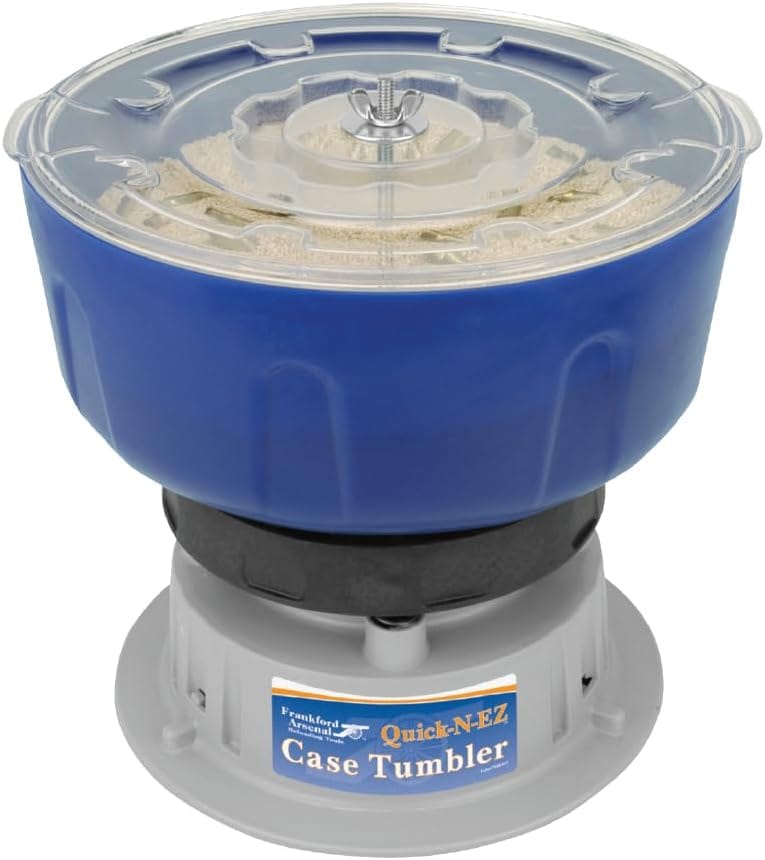
- RELIABLE: Unique bowl design to increase brass agitation for fast, aggressive cleaning that reduces wear on reloading dies and extends brass life
- EASE OF USE: Clean lid for monitoring tumbling action with cord-mount ON/OFF switch for saftey and convenience
- CONVENIENT: Removes lube and oxidation quickly and conveniently; Use in conjunction with Frankford Arsenal Walnut or Corn Cob Medias
- RELIABLE: Tumbler holds up to 600 9mm or 350 .223 cases
- SPECS: 110 Volts with 13.25 Liter Drum/Bowl Capacity
Frankford Arsenal Corn Cob Media Treated and Untreated 4.5LB- 15LB, for Ammo Reloading, Shooting Bag Filling, and Case Tumbling
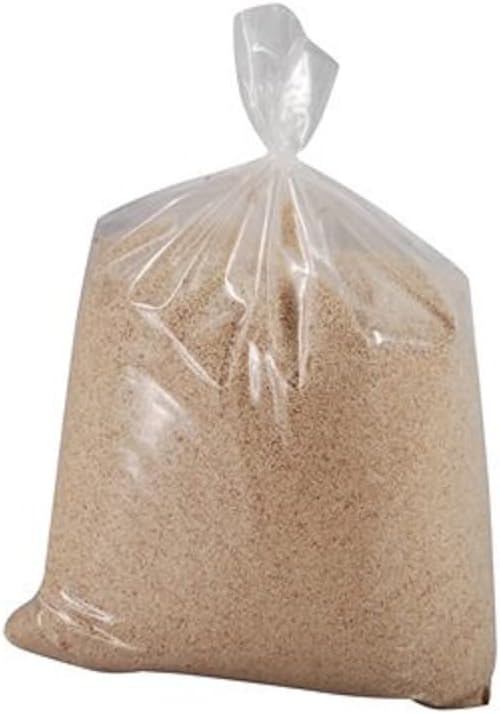
- SPECS: 7 lb of media in a cardboard box
- ACCURACY: Frankford media is designed to quickly and efficiently remove dirt, grit and powder residue from brass cases before reloading
- EASE OF USE: Just pour into the tumbler of your choice and get to cleaning
- VERSATILITY: Can be used to clean/polish media in a brass tumbler and can also be used to fill shooting bags for the range
- DURABLE: Can be used multiple times before needing to change out with new media
Frankford Arsenal Walnut Media Treated and Untreated, 5LB- 18LB, for Ammo Reloading, Shooting Bag Filling, and Case Tumbling
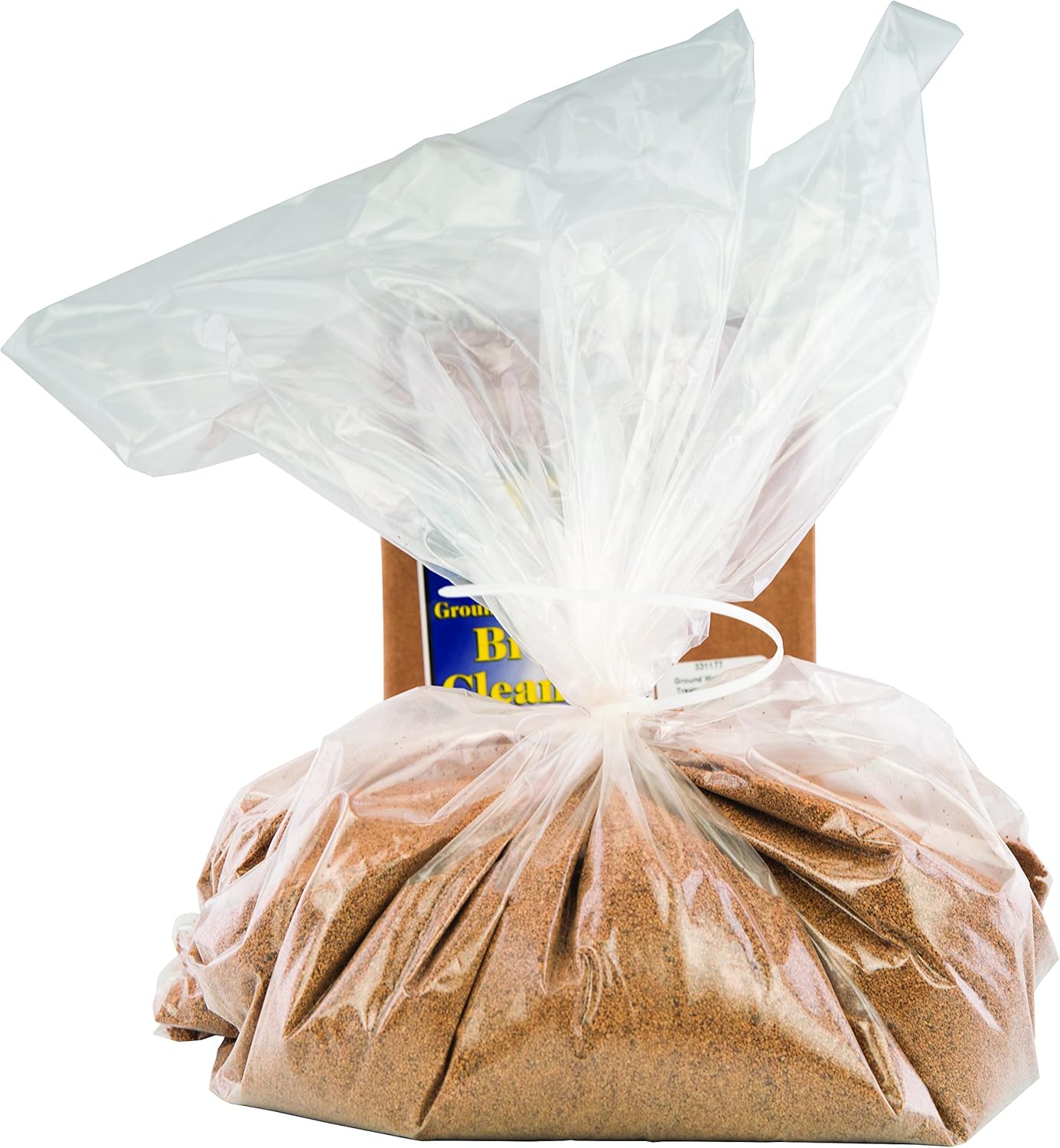
- SPECS: 7 lb of media in a cardboard box
- ACCURACY: Frankford media is designed to quickly and efficiently remove dirt, grit and powder residue from brass cases before reloading
- EASE OF USE: Just pour into the tumbler of your choice and get to cleaning
- VERSATILITY: Can be used to clean/polish media in a brass tumbler and can also be used to fill shooting bags for the range
- DURABLE: Can be used multiple times before needing to change out with new media
Frankford Arsenal Rotary Tumbler and Accessories with Media Separator, Cleaning Essentials, For Brass Cleaning, Reloading, and Gunsmithing
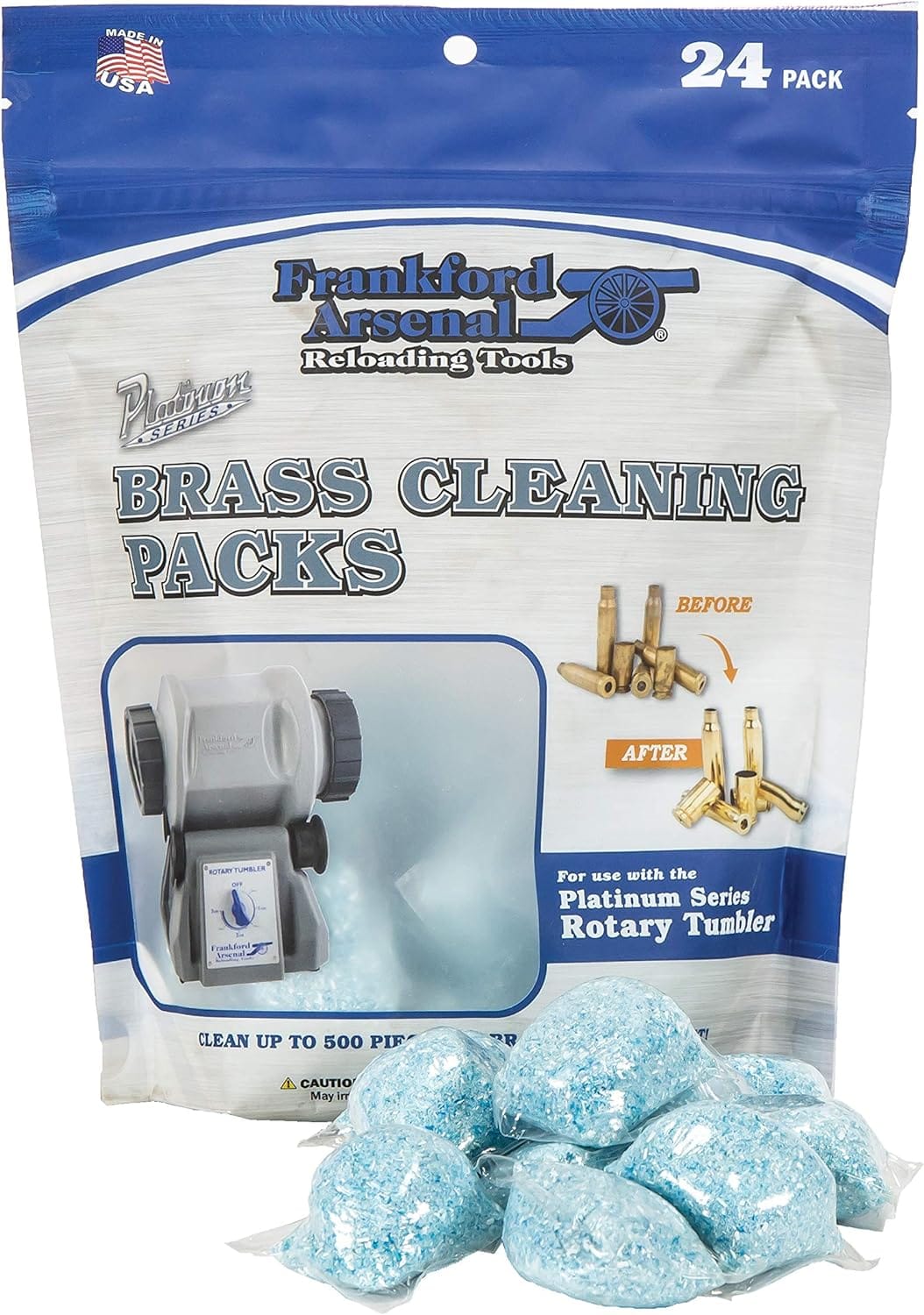
- SPECS: 24 packets in a bag and is proudly made in the United States of America (USA)
- EASE OF USE: Simply drop the premeasured cleaning pack into the water with or without stainless steel media and begin tumbling
- VERSATILITY: Works best with the Frankford Arsenal Rotary Tumblers (#909544, #1097878) but can be used in any wet tumbler
- CONVENIENT: Pods come in a resealable bag for easy storage and transport and keep the pods from drying out when not in use
- INNOVATIVE: Quick and effective crystallized, water soluble formula makes brass cleaning a breeze
Frankford Arsenal Stainless Steel Media Pins, for Brass Cleaning and Ammo Reloading
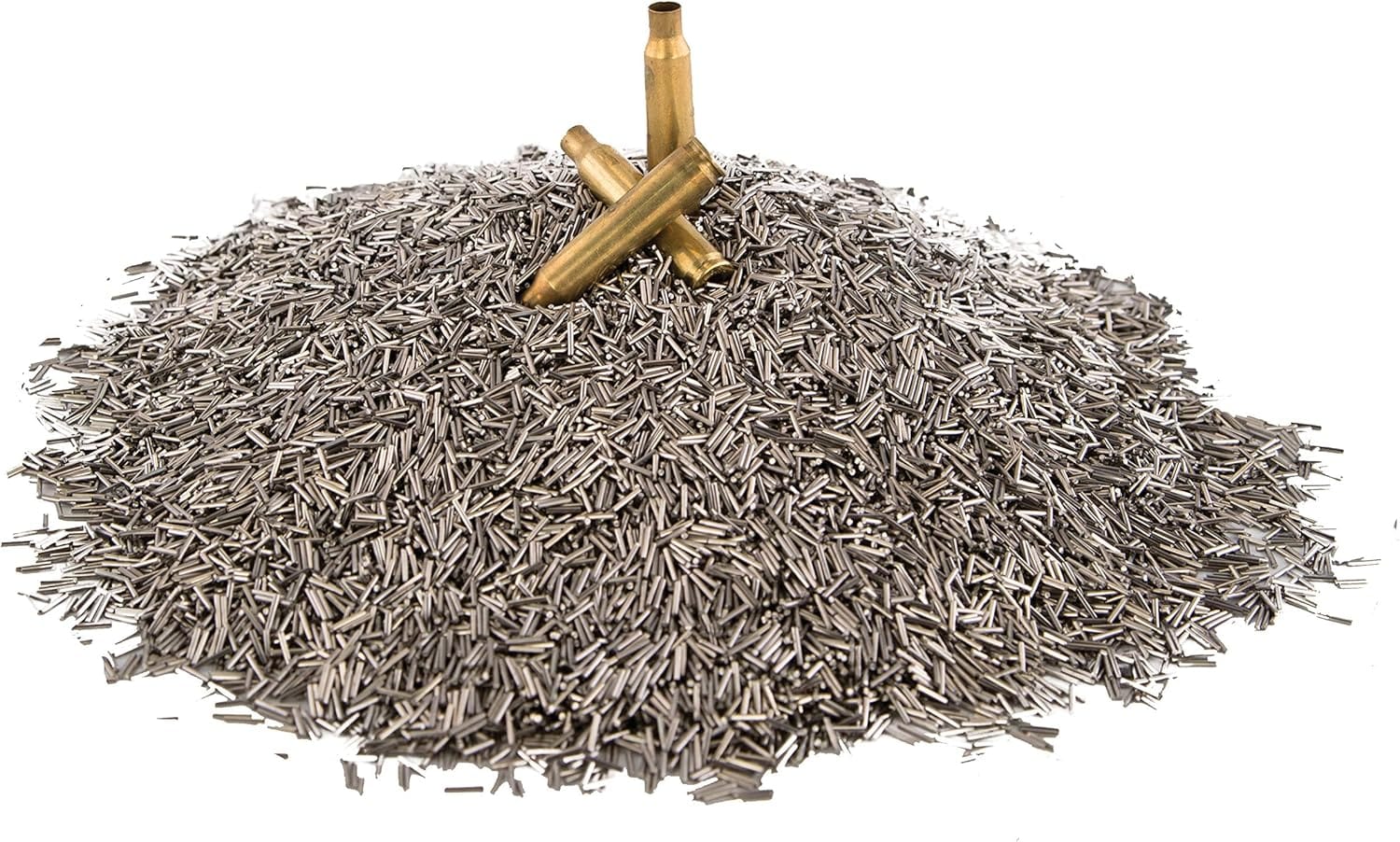
- SPECS: 2 lbs. of pins with a size of 1mm x 7mm
- EASE OF USE: Magnetic for convenient handling and to prevent rust and the perfect amount for replacing lost pins or tumbling smaller batches of brass
- RELIABLE: Perfect for cleaning the inside of primer pockets, inside the case body and ideal for rotary tumbling
- DURABLE: Constructed strong 304 magnetic stainless steel for a lifetime of use
- CONVENIENT: Perfect amount for the Frankford Arsenal Rotary Tumbler Lite
Lemi Shine Natural Dish Detergent Booster, Hard Water Stain Remover, Multi-Use Citric Acid Cleaner
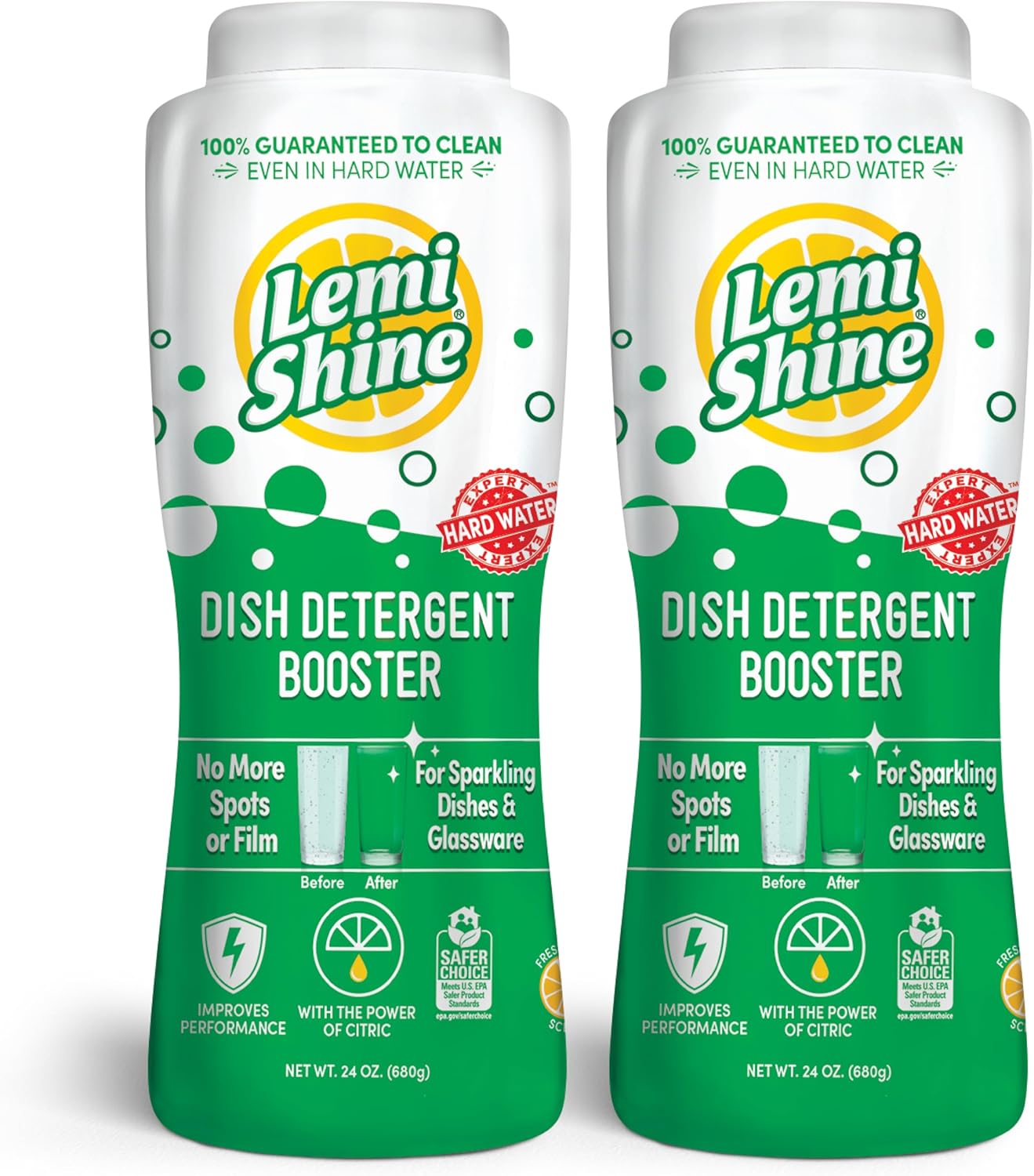
- 100% GUARANTEED HARD WATER CLEANER: The powerful booster solution is here to save your favorite glassware, coffee maker, and dishes; Add to your dishwasher and watch those hard water spots, film, and other mineral deposits disappear
- SUPERCHARGED WITH CITRIC ACID: This booster harnesses the natural power of citric acid to get rid of all the stains and spots on your dishes; Pair with dishwasher detergent and dishwasher pods for the perfect dish regimen clean
- POWERFUL FORMULAS, SAFER PRODUCTS: This plant-based detergent booster is EPA Safer Choice Certified; Completely free of dyes, phosphates, and bleach, making it a safe option among your household essentials
- UNSTOPPABLE DISHWASHER DUO: Pair it with Lemi Shine Dish Detergent Pods to give dishes a deep clean and wipe away even the hardest stains and stuck-on food
- LEMI SHINE CLEANING PRODUCTS: Eco-friendly, plant-based, biodegradable, and safe for your family; From Garbage Disposal Cleaner to Coffee Maker Cleaner, we've got your home cleaning supplies covered
FAQs About Cleaning Brass for Reloading
Do I need to clean brass before resizing?
Yes. Dirty brass can scratch resizing dies and reduce consistency.
Can I reload tarnished brass?
Usually, yes, if corrosion is only cosmetic. Deep pitting or severe corrosion should be discarded.
Is wet tumbling better than dry tumbling?
Wet tumbling produces cleaner brass overall, but dry tumbling remains faster and more affordable for many reloaders.
Should primer pockets be cleaned every time?
Not always, but precision rifle reloaders often clean primer pockets for maximum consistency.
How long does brass last?
Brass life depends on pressure, caliber, resizing practices, and load intensity. Some pistol brass lasts many reloads, while high-pressure rifle cases wear faster.
Can you clean brass without a tumbler?
Yes. Brass can be cleaned manually using vinegar solutions, ultrasonic cleaners, or hand scrubbing, though tumblers are far more efficient.
What is the best media for cleaning brass?
Walnut media cleans faster, corn cob polishes better, and stainless steel pins with Lemi Shine provide the deepest cleaning overall.
Final Thoughts
Learning how to clean brass for reloading is one of the most important skills any handloader can develop. Clean brass protects your dies, improves reliability, simplifies inspection, and creates more consistent ammunition. Whether you prefer affordable dry tumbling, ultra-clean wet tumbling, or fast ultrasonic cleaning, the key is developing a repeatable process that fits your loading style.
For casual range shooters, a simple vibratory tumbler with corn cob media may be all you ever need. For competitive rifle shooters seeking maximum consistency, wet tumbling with stainless-steel pins delivers unmatched cleanliness. No matter which method you choose, properly cleaned brass lays the groundwork for safer, smoother, and more accurate reloads every time. Order today!