
Dove hunting gear doesn't have to be complicated, but the right equipment can make opening day safer, more comfortable, and more successful. A dependable shotgun, appropriate shells, breathable camouflage, hearing protection, a comfortable seat, and a practical way to carry birds form the foundation of a good setup for dove hunting season.
Additional items such as dove decoys, a lightweight blind, shooting glasses, hydration gear, and a compact cooler can help you remain in the field longer. This guide covers the essential dove-hunting equipment that every beginner and experienced hunter should consider.
Quick tip: Always check current state regulations before hunting. Season dates, bag limits, licensing requirements, shooting hours, and rules concerning lead or non-toxic shot can vary by location and hunting area.
Essential Dove Hunting Gear Checklist (Including Bug Spray)
Before leaving for the field, make sure you have:
- Valid hunting license and required migratory-bird permits
- Shotgun suitable for dove hunting
- Correct shotgun shells
- Improved Cylinder or Modified choke
- Lightweight camouflage clothing
- Dove vest, game belt, or hunting bag
- Eye and hearing protection
- Dove stool or bucket seat
- Water and snacks
- Dove decoys
- Blind material or camouflage netting
- Cooler and sealable storage bags
- Sunscreen and insect repellent
- Small first-aid kit
- Multi-tool
- Gun-cleaning cloth or compact maintenance kit
Kentucky’s beginner dove-hunting checklist recommends Improved Cylinder or Modified chokes, No. 7½, 8, or 9 shot, pre-season practice, and patterning the shotgun before hunting. It also stresses the importance of safe shooting zones and maintaining at least 50 yards between hunters. Kentucky Department of Fish and Wildlife Resources
The Best Choke for Dove Hunting
An Improved Cylinder choke is a versatile option when birds are passing relatively close. It creates a more open pattern that can help hunters connect with fast, erratic targets.
A modified choke produces a tighter pattern and may work better when birds are flying farther away. Some hunters begin the season with Improved Cylinder and switch to Modified as birds become more cautious.
Choke | Best application |
|---|---|
Skeet | Very close decoying birds |
Improved Cylinder | Close-to-moderate early-season shots |
Modified | Moderate or longer opportunities |
Full | Generally too restrictive for typical dove hunting |
Patterning is the only reliable way to determine how a specific choke and shell combination performs in your shotgun.
Dove Hunting Vest or Game Belt
A dove vest or game belt keeps hunting essentials like shells, harvested birds, water, and small accessories within easy reach. It also eliminates the need to carry a full backpack during a short hunt.
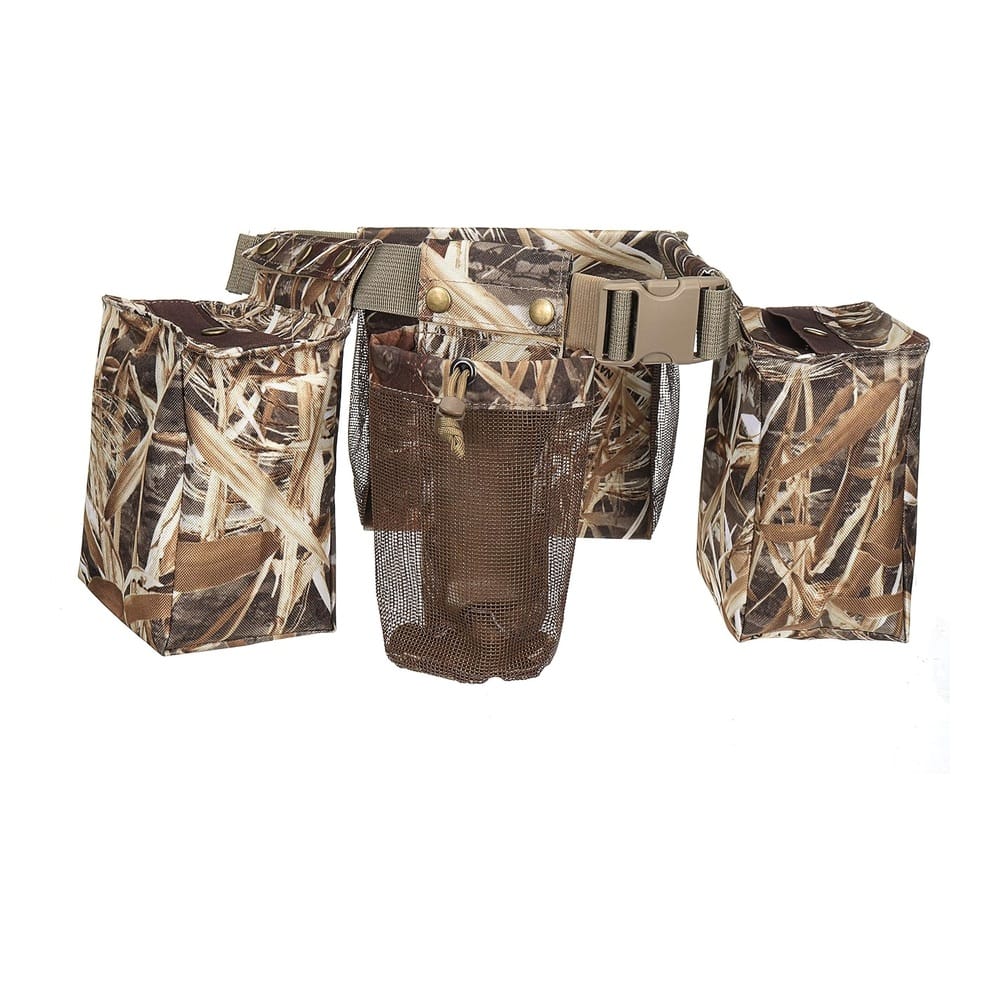
The Auscamotek Dove Hunting Belt includes two ammunition pouches, a game bag, and a water-bottle carrier. Its soft, removable pouches allow hunters to adjust the layout to their preferred setup.
Another option is the
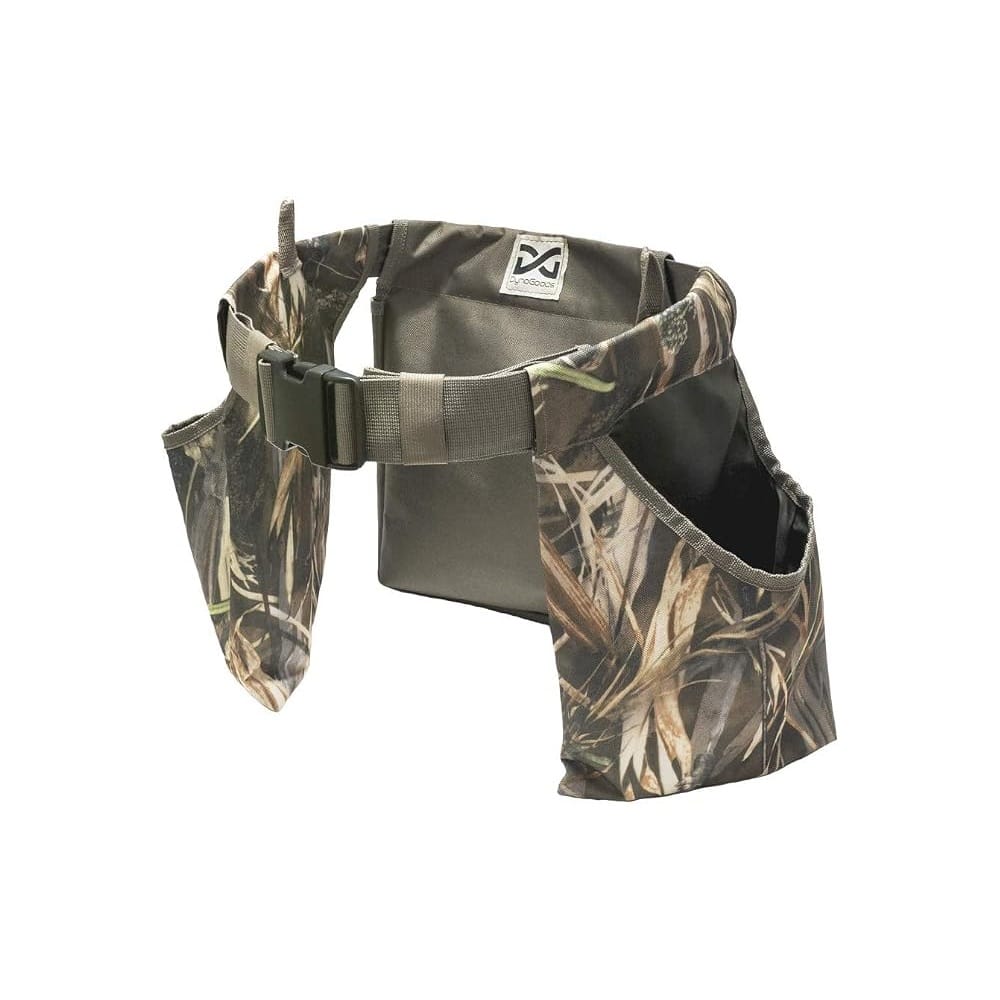
DynoGoods Dove Field and Game Belt, which has two shell pockets, a central game bag, and an adjustable belt.
Look for:
- Large, easy-to-open shell pockets
- A ventilated or washable game pouch
- An adjustable waist belt
- A water-bottle holder
- Reinforced seams
- Quiet fabric that will not scrape or rustle
A traditional upland vest offers more coverage and storage, but a game belt usually feels cooler during hot September hunts.
Dove Hunting Stool or Bucket Seat
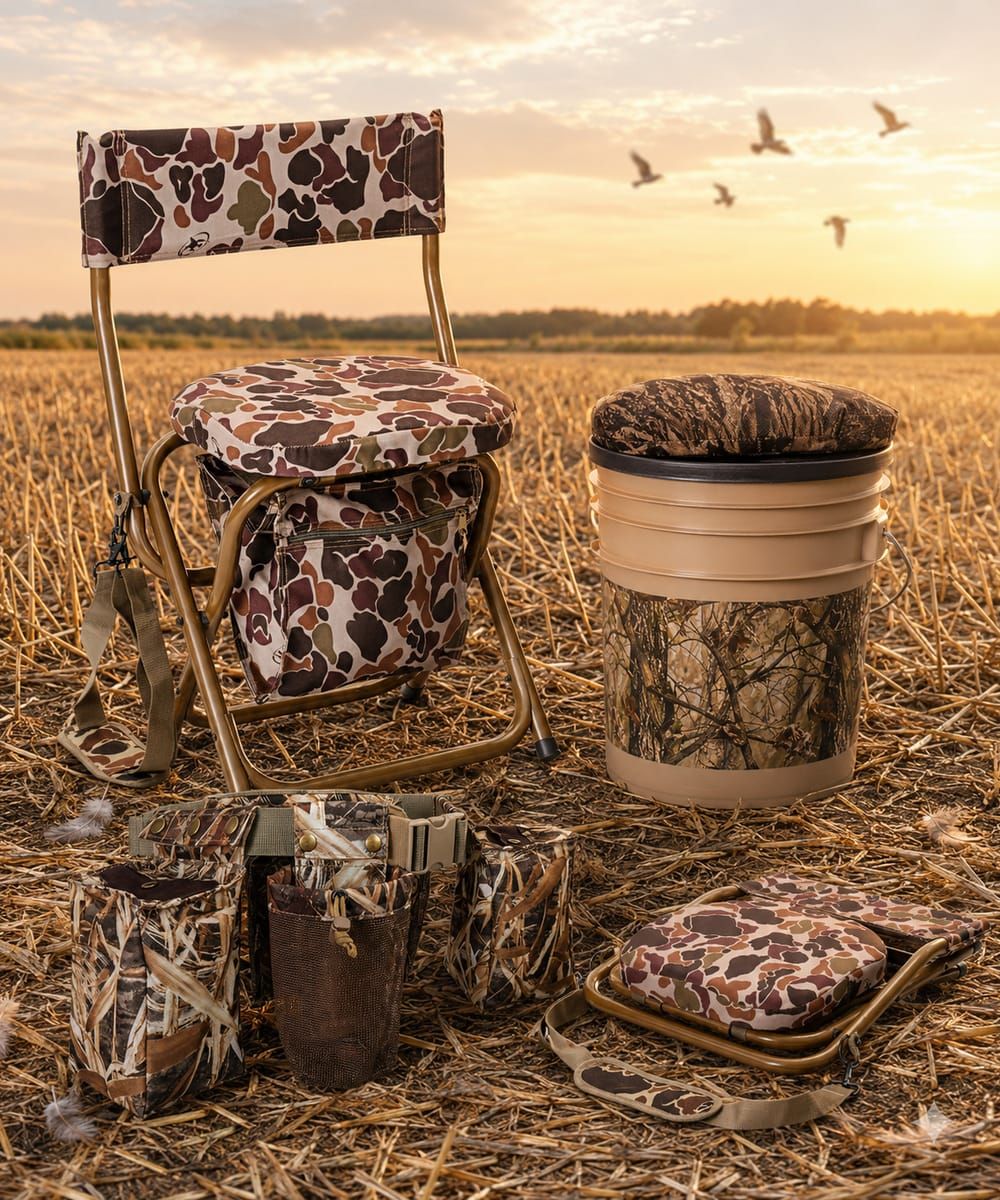
Dove hunters frequently remain in one location while watching a field, water source, fence line, or travel corridor. A compact seat can make several hours of waiting much more comfortable during long sits.
A folding tripod stool is light and easy to carry. A bucket seat offers more stability and doubles as storage for shells, decoys, water, and harvested birds. A flat base also helps on uneven ground.
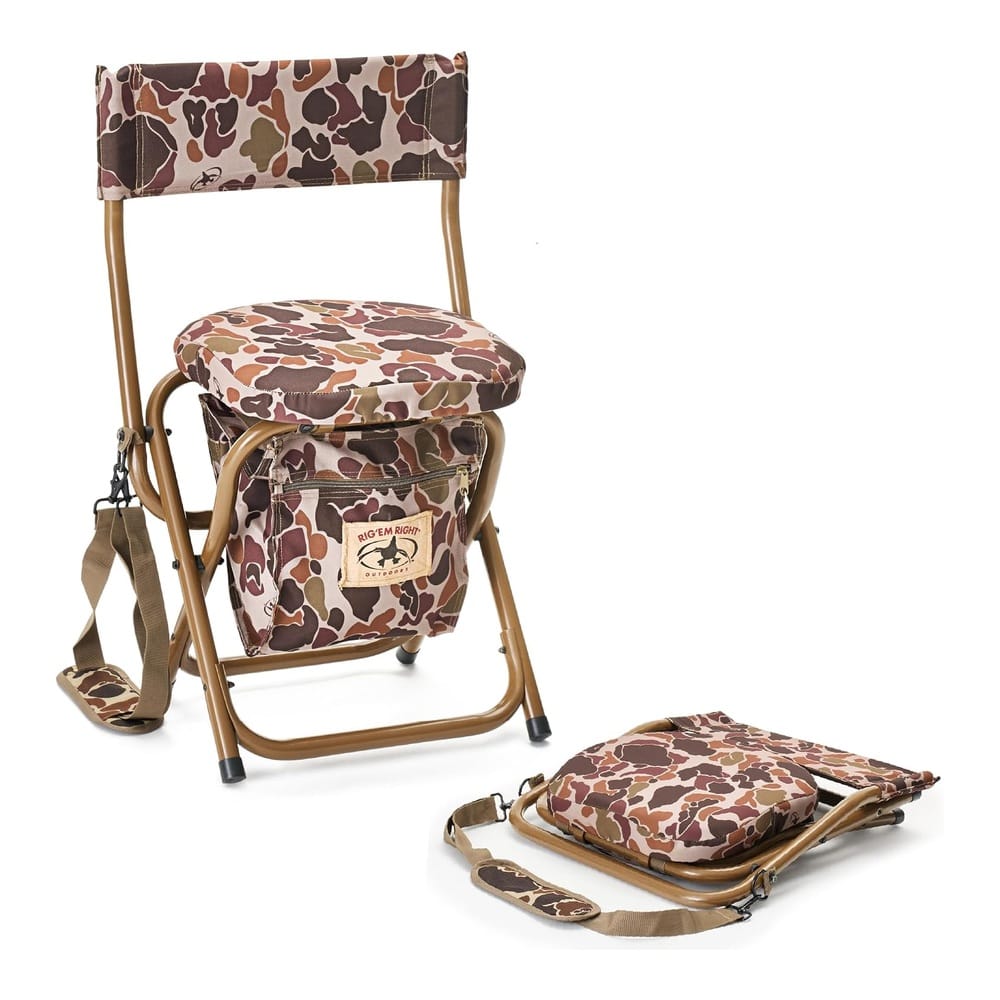
The Rig’Em Right Hyde Hunting Stool has a compact folding design suitable for dove fields and blinds.
The
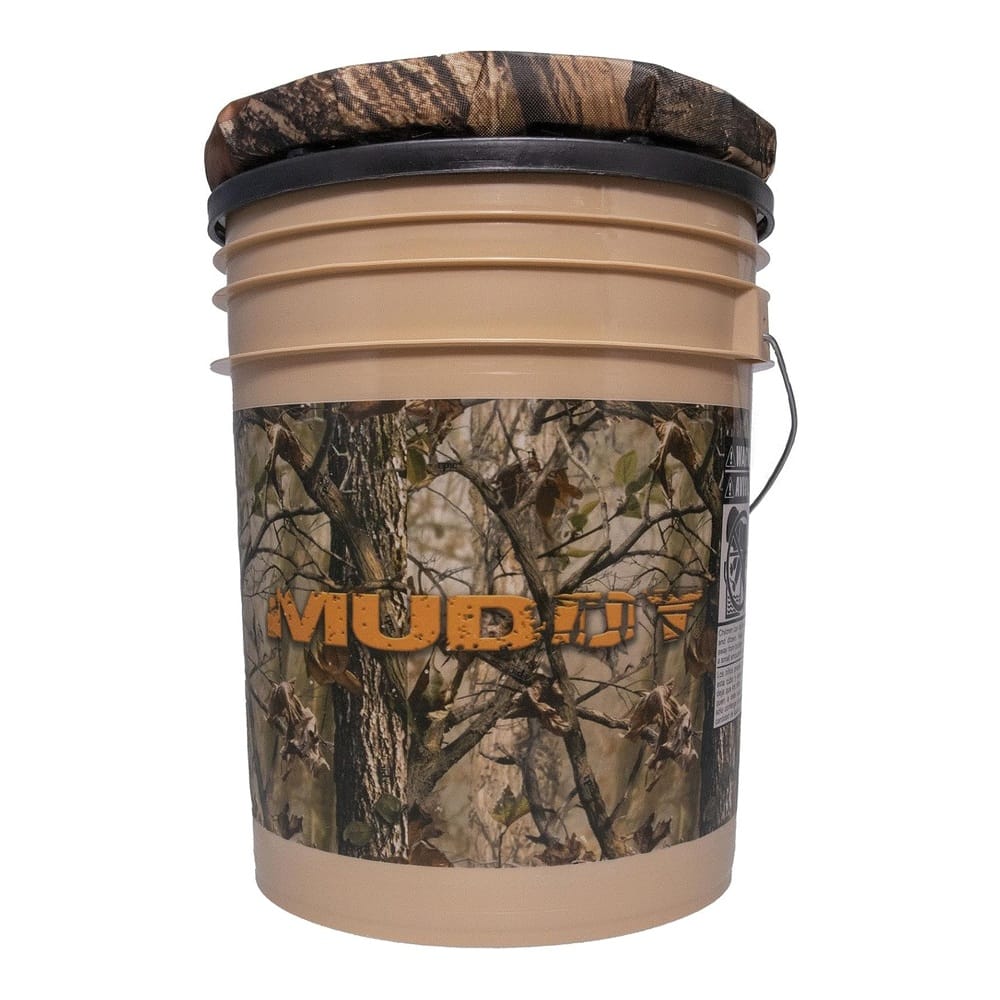
BIG GAME Treestands Spin-Top Bucket combines portable storage with a comfortable hunting seat. Its one-inch-thick cushion and 360-degree swivel top let you follow incoming doves without having to reposition the bucket repeatedly. An attached carrying handle makes it easy to transport across the field, while the bucket provides convenient storage for shells, decoys, water, and other dove hunting gear. This practical design makes it a strong choice for hunters who want a seat and gear carrier in one compact setup.
Choose a seat with:
- A stable base that does not put a support bar under your legs
- Quiet folding components
- A carrying strap
- Weather-resistant fabric
- Enough height to stand smoothly for a shot
Lightweight Dove Hunting Clothing
Early dove seasons often begin during hot weather. Heavy, insulated hunting clothes can cause overheating and fatigue, so lightweight, moisture-wicking clothing is generally the better choice for staying comfortable during warm early-season hunts.
Earth tones and camouflage help break up the hunter’s outline. Long sleeves and pants also help protect against the sun and insects while still blending in. Doves have excellent eyesight and can detect sudden movement, so remaining still is often more important than wearing an elaborate pattern.
A practical outfit may include:
- Lightweight camo shirts
- Breathable hunting pants
- Moisture-wicking base layer
- Wide-brimmed or billed hat
- Thin shooting gloves
- Comfortable boots
- Lightweight rain shell
Breathable nylon fabrics with good airflow work especially well in hot conditions. Early-morning starts can feel cool before the day warms up.
Avoid wearing white, bright colors, or blaze orange, as they can be visible to approaching birds and reduce concealment and success.
Eye and Hearing Protection
Eye and hearing protection should be considered mandatory equipment for dove hunting.
A pair of clear, amber, or smoke-colored shooting glasses should provide UV protection and protection against debris, vegetation, falling shot, and ejected hulls. The lens color can be selected according to the available light.
Electronic hearing protection reduces the damaging effects of gunshot noise while allowing the hunter to hear conversations and surrounding sounds. Low-profile earmuffs are helpful because bulky ear cups may interfere with the shotgun stock.
Foam plugs are inexpensive, but hunters must insert them correctly to receive their rated protection. Some hunters combine plugs and earmuffs when shooting frequently.
Shop electronic shooting earmuffs on Amazon
Shop shooting glasses on Amazon
Dove Decoys
Dove decoys can make a setup more visible and help draw passing birds into range. They work particularly well near feeding fields, watering locations, dead trees, fence lines, and other natural landing areas.
A basic spread can include four to eight stationary decoys. Place them where approaching birds can see them and where they appear to have a natural place to land. For best results, decoys should resemble the dove species being hunted.
Common choices include:
- Clip-on dove decoys
- Full-body decoys
- Foam decoys
- Spinning-wing dove decoys
- Decoy trees or elevated poles
Realistic feather patterns and visible wings can improve effectiveness, though some cosmetic details matter more to hunters than to doves.
A MOJO-style spinning-wing decoy adds motion and can attract attention from a considerable distance, and many hunters find it especially effective, but hunters should confirm that electronic or motorized decoys are legal during the applicable season.
Shop dove hunting decoys on Amazon
Portable Dove Blind
A dove blind helps conceal movement, especially when natural cover is limited. It does not need to be large or complicated. A short section of camouflage netting attached to stakes may be enough to hide a hunter’s hands and lower body.
Position the blind with natural vegetation behind it to prevent your silhouette from standing against an open background, and use nearby sticks or brush behind the blind to break up the outline more naturally. Leave enough room to turn and swing the shotgun without striking branches or blind material, with space for safe walking in and out of the setup.
Avoid completely blocking your view. Dove hunting requires awareness of other hunters, houses, vehicles, livestock, roads, and the entire shooting zone.
Shop portable hunting blind material on Amazon
Rangefinder or Binoculars
Compact binoculars help hunters watch distant flight activity without having to stand up repeatedly. They can also help identify where birds are entering or leaving a field.
A rangefinder is optional but useful for learning distances. Many missed or poorly placed shots occur because birds are farther away than they appear. Marking a few known distances around the setup can help hunters recognize their effective range.
Dove Hunting Safety Tips and Hunting License Requirements
Dove fields can become crowded, particularly on opening day. Safe firearm handling must take priority over taking a shot, and if you are hunting with buddies, set clear shooting zones and communicate before anyone starts shooting.
- Clearly identify the bird before shooting.
- Never shoot at low-flying birds.
- Maintain a safe distance from other hunters.
- Establish each hunter’s shooting zone.
- Do not swing across another hunter.
- Keep the muzzle pointed in a safe direction.
- Wear eye and hearing protection.
- Unload the shotgun before crossing obstacles.
- Pick up empty shells and other trash; do not leave empties on the ground.
- Avoid shooting when you cannot see a safe background.
Kentucky’s guidance specifically advises hunters to see open sky behind the bird and remain at least 50 yards from other hunters; also verify any area-specific permit requirements along with local spacing and safety rules.
Frequently Asked Questions
What gear do I need for dove hunting?
At minimum, you need a legal shotgun setup, appropriate ammunition, the required license and permits, eye and hearing protection, comfortable clothing, water, and a way to carry harvested birds. A stool, vest, cooler, and decoys help you stay prepared with the right gear while making the hunt more comfortable and organized.
What is the best shot size for dove hunting?
No. 7½ and No. 8 are the most widely used choices. Many hunters move to #6 or #7-½ later in dove season when shots are longer. No. 8 is effective for many close-to-moderate early-season opportunities, while No. 7½ is commonly selected for slightly longer shots, so it also helps to compare the box specs when choosing loads. Winchester Game and Target loads are a common dove option, and Federal Hi-Bird shells are often chosen for white-winged doves.
What choke should I use for dove hunting?
Improved Cylinder is a good starting point for close or moderate shots. Modified provides a tighter pattern for birds flying farther away. Pattern both chokes with your selected shells before hunting. For dove hunting, many hunters prefer a semi-automatic shotgun for faster follow-up shots.
Is camouflage necessary for dove hunting?
Camouflage is helpful, but remaining still and using natural cover are more important. Lightweight earth-tone clothing can work when it blends with the surroundings.
How many dove decoys should I use?
Four to eight decoys are enough for a basic spread. Hunters can add a spinning-wing decoy for greater visibility where motorized decoys are legal.
Do I need non-toxic shot for dove hunting?
It depends on the state and property. Federal restrictions apply to waterfowl and coot hunting, but states and individual wildlife areas may establish additional non-toxic-shot requirements for doves. Always verify the rules for the exact hunting location.
Should I use a vest or a dove belt?
A belt is cooler and keeps shells readily accessible, while a vest provides more storage and distributes weight across the shoulders. Either can work well if it includes accessible shell pockets and a ventilated game pouch.
What should I sit on while dove hunting?
A folding tripod stool is the lightest option. A padded bucket seat provides greater stability and storage but is bulkier to carry.
Final Thoughts
The best dove hunting gear is comfortable, dependable, and easy to carry. Begin with a properly fitted shotgun, suitable shells, an appropriate choke, protective equipment, lightweight clothing, water, and a practical game belt or vest.
A stool, decoys, portable concealment, and an insulated cooler can improve the experience, but they cannot replace practice and safe decision-making. Pattern your shotgun, practice on clay targets as a fun way to sharpen timing and follow-up shooting, learn your effective range, and check the latest regulations before every season; it also helps to pack bug spray. Order today!
Dove Hunting Gear: Complete Equipment Checklist for 2026
Alternative titles:
- 15 Essential Pieces of Dove Hunting Gear
- Best Dove Hunting Gear for Beginners and Experienced Hunters
- Dove Hunting Gear Checklist: Everything You Need
- Essential Dove Hunting Equipment for Opening Day
- What Do You Need for Dove Hunting?
Meta description:
Discover the essential dove hunting gear you need, including chokes, shot sizes, clothing, decoys, game belts, seats, safety equipment, and field supplies.
Slug:
/dove-hunting-gear/
Header text:
Essential Dove Hunting Gear
Header image alt text:
Dove hunting gear arranged in a field, including camouflage clothing, decoys, a game belt, hearing protection, and a folding stool.